Quality underlayment
Sound reduction and moisture barrier where required.

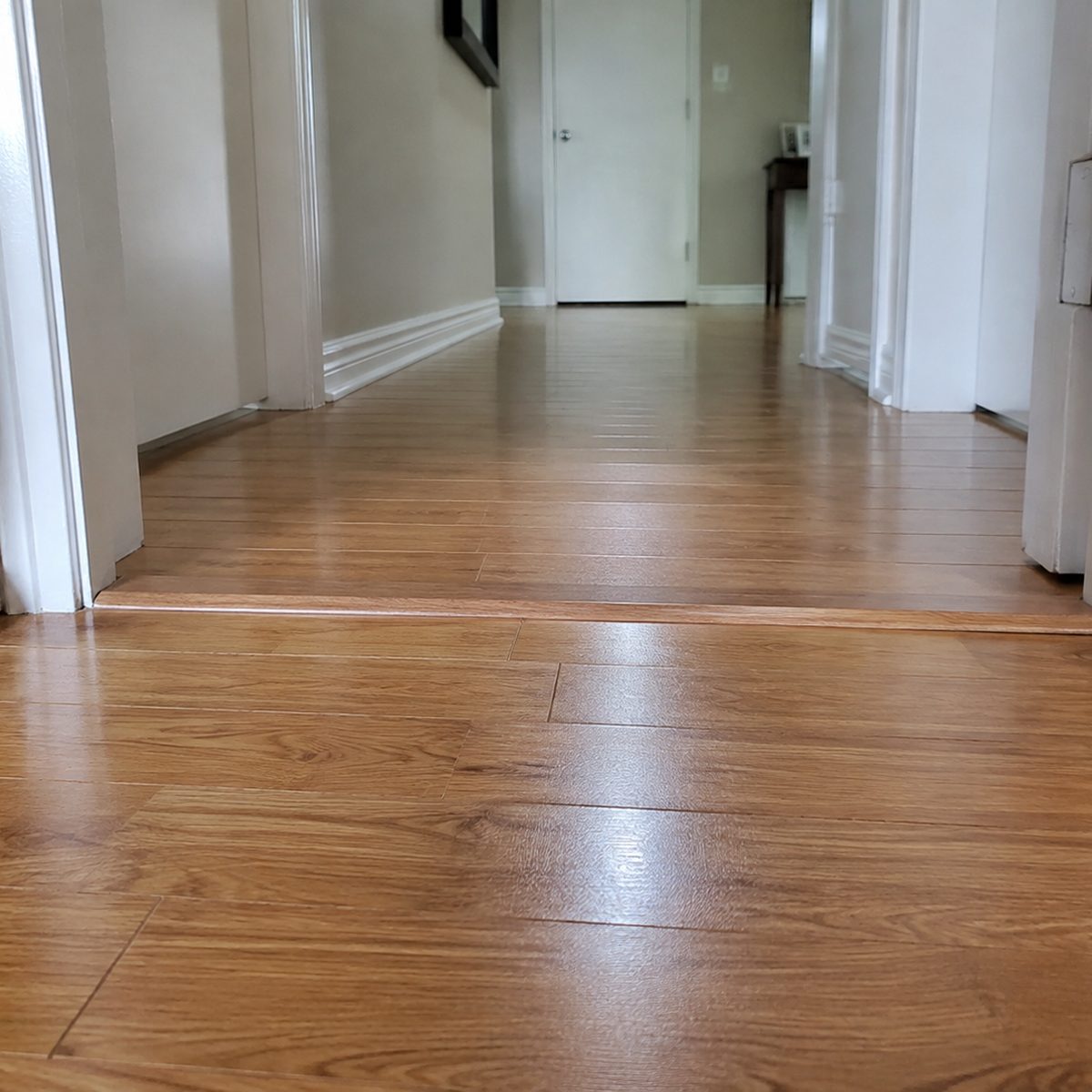
Laminate flooring offers an attractive wood-look finish at a fraction of hardwood cost, tough enough for bedrooms, living rooms and moderate-traffic areas when installed correctly. We install click-lock laminate with quality underlayment for sound reduction and stability, plus professional trim, thresholds and transitions between rooms.
Proper acclimation, subfloor prep and expansion gaps are non-negotiable, so our crew follows manufacturer specs and your floors keep performing for years. Warranty coverage by service type, stated in writing on your estimate.

Sound reduction and moisture barrier where required.
Wide colour and texture range to match your décor.
Flooring acclimated to your home before install per spec.
Clean thresholds between laminate, tile and carpet.
Laminate colours and wood-look textures can read differently under your own lighting. We bring samples to your home so you can compare before anything is ordered.


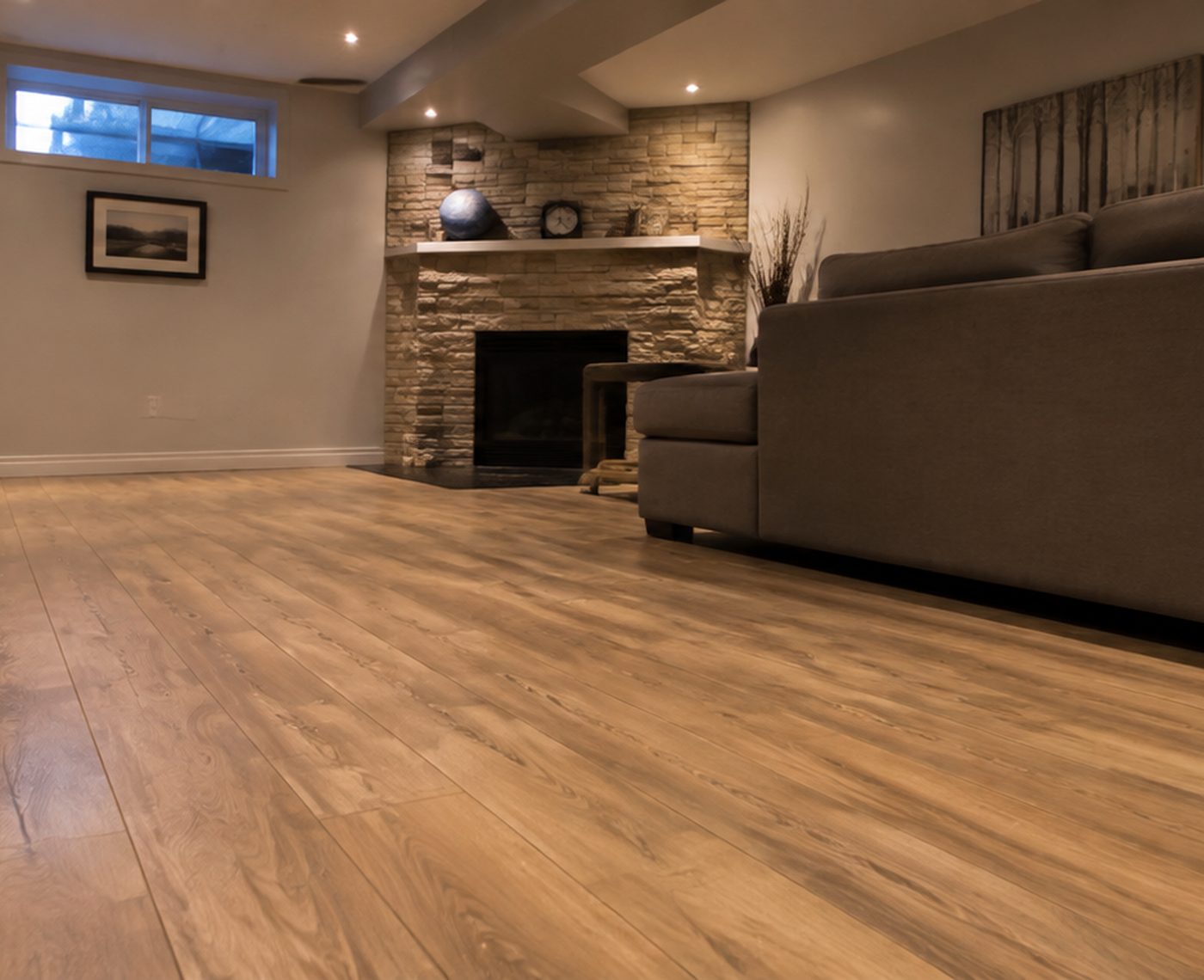
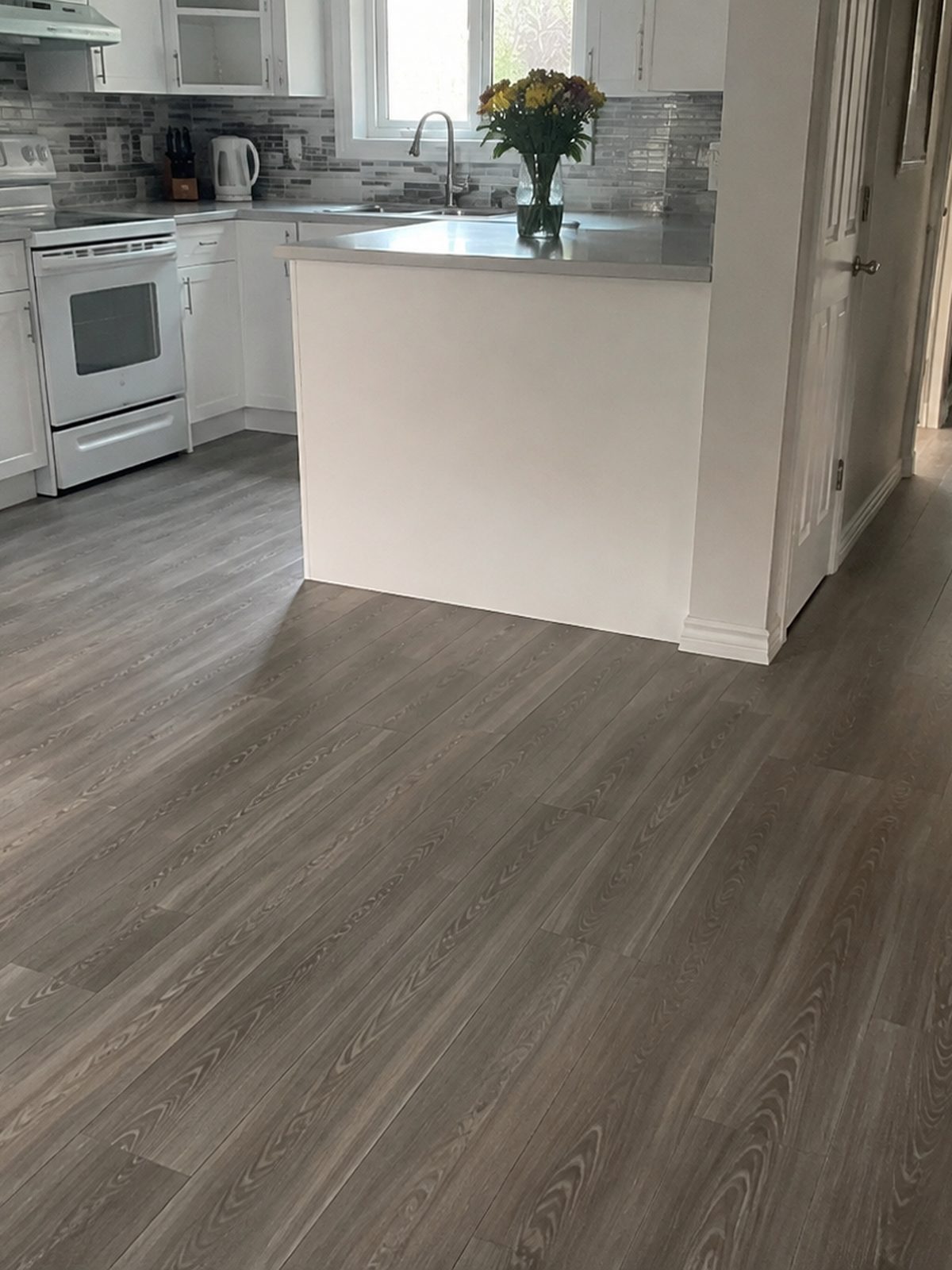
Laminate is a manufactured product built in layers. At its heart is a dense fibreboard core, usually high-density fibreboard, that gives each plank its rigidity. Bonded to the top is a photographic decor layer printed to resemble wood grain, and over that sits a clear, hard-wearing layer that takes the daily traffic. Because the look comes from a printed image rather than a natural material, laminate is available in a wide range of wood tones and textures. Understanding this build helps set expectations: the surface is tough, but the core is still a wood-based board that responds to moisture and humidity.
Most laminate carries an abrasion class, or AC, rating that describes how much wear the surface layer is designed to take. The scale runs from lighter residential grades up through light-commercial grades. Matching the rating to the room matters more than reaching for the highest number available. A quiet bedroom places different demands on a floor than a busy hall or a home office, and choosing an appropriate class keeps the surface looking consistent as it ages.
Laminate is usually installed as a floating floor. The planks click together edge to edge and rest on an underlay rather than being glued or nailed to the subfloor, which lets the whole surface move as one sheet. Wood-based materials expand slightly in humid months and contract when the air is dry, so a small gap is left around the perimeter of the room, tucked under the baseboard or trim. If that expansion gap is skipped, the planks can press against the walls and lift or peak at the seams. The gap is hidden once trim and thresholds are fitted, so a tidy finish does not mean it was left out.
Because the core is fibreboard, standing water is the main thing to plan around. Many current products are described as water-resistant, which helps with spills that are wiped up promptly, but water-resistant is not the same as waterproof. Laminate is a sensible fit for bedrooms, living areas, halls and similar dry rooms. Full bathrooms, laundry rooms and spaces prone to standing water are better served by a surface made for wet conditions. If moisture is a concern in a basement or over a concrete slab, the subfloor and any moisture barrier should be assessed before the floor goes down.
Laminate is straightforward to live with. Regular sweeping or vacuuming and a lightly damp mop keep it clean, while soaking the floor or using harsh abrasives is best avoided. One point worth knowing is that laminate is not refinished. Solid wood can be sanded and recoated several times over its life, but a laminate wear layer cannot, so a plank that is badly scratched or swollen is replaced rather than restored. Keeping a few spare planks from the original run makes that kind of repair simpler later on.
Homeowners often weigh laminate against luxury vinyl. Laminate tends to feel firmer and a little warmer underfoot, and its printed wood grain can look convincing. Luxury vinyl generally copes better with water because its core is not wood-based, which is why it is often chosen for kitchens, bathrooms and basements. On cost the two ranges overlap, and the right choice usually comes down to the room, the level of moisture it sees and the feel you prefer. We are happy to set samples of both side by side so you can compare them in your own space.
The underlay is the thin layer that sits between the subfloor and the planks, and it does more than it might seem. It cushions each step, softens the hollow sound a hard floor can make, and helps bridge small irregularities in the subfloor so the click joints sit flat. Some laminate arrives with a pad already bonded to the underside, while other floors use a separate underlay rolled out first. Over a concrete slab, an underlay that includes a moisture barrier is often used to slow vapour rising from below. Matching the underlay to the subfloor keeps the finished floor quieter and steadier underfoot.
Laminate is delivered in sealed packs, and it helps to bring those packs into the room where the floor will be laid before installation begins. Wood-based planks take on the temperature and humidity of their surroundings, and giving them time to settle in the space reduces how much they move once they are clicked together. The packs are usually left flat and unopened in the room for a day or two, away from direct heat and damp. Skipping this step is one reason a new floor can shift or gap in the weeks after it is fitted. It is a small wait that supports a steadier result.
Drop a photo here or use the attach button, carpet damage, room overview, stairs, etc.