Re-stretching
Can improve tension and reduce raised areas when the carpet remains suitable.

Has your carpet developed waves, buckles or permanent stains? Before you tear it out, call us. Re-stretching, patching and seam repair can be a practical alternative to replacement when the carpet and matching repair materials remain suitable.
We repair pet damage on plush, berber and sisal, plus thresholds, seams, stairs and high-traffic areas, and re-stretching can reduce or eliminate raised areas that may present a trip hazard. From a small cigarette burn to re-stretching an entire home, our in-house technicians handle residential and commercial repairs across the GTA. Warranty coverage by service type, stated in writing on your estimate.
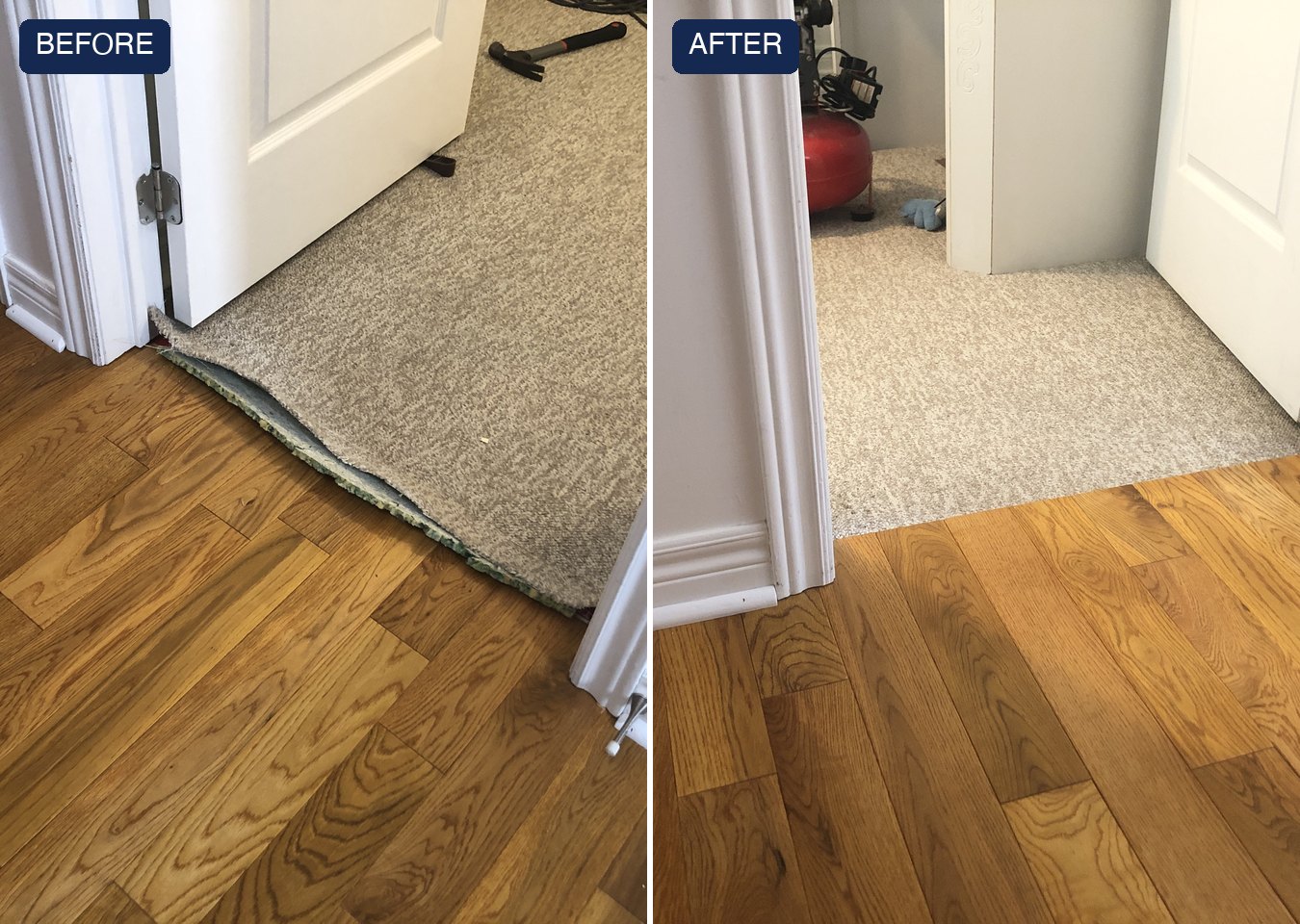
Can improve tension and reduce raised areas when the carpet remains suitable.
Cat & dog damage on thresholds, seams and stairs.
Repairs for localised damage; colour, wear and pile differences may remain visible.
Water leak damage, compressed or disintegrated cushion.
From a small cigarette burn to re-stretching an entire home, our in-house technicians handle residential and commercial repairs across the GTA.


Ripples and buckles can develop when carpet loses tension. Installation, humidity, moisture exposure, furniture movement and backing condition may contribute. Raised areas can present a trip hazard. Re-stretching may help where the carpet and supporting materials remain suitable, but it does not repair separated backing layers. An assessment helps identify the cause, the recommended work and any limitations.
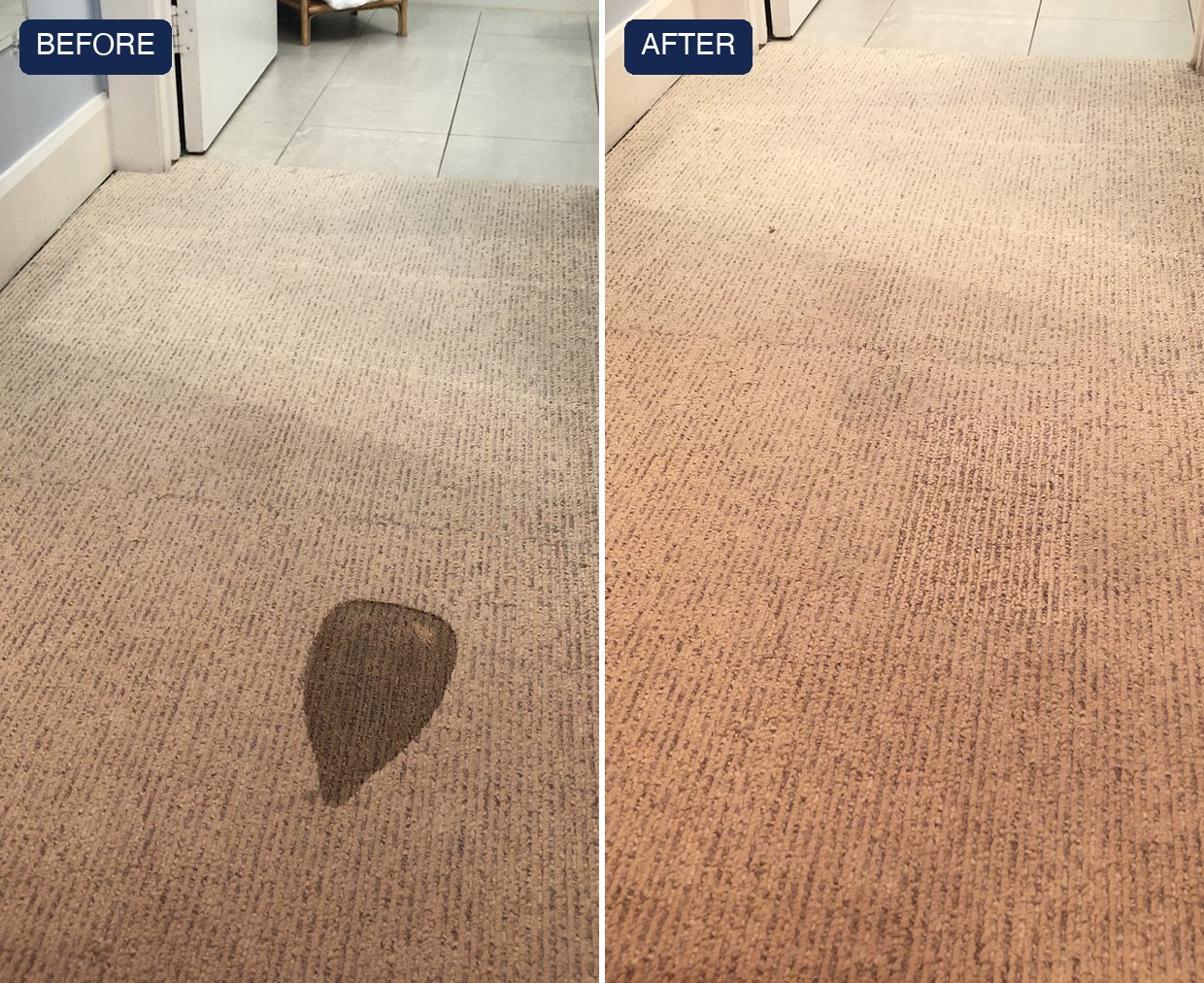
Localised burns, bleach marks or other permanent damage may be suitable for patching. Matching leftover carpet is preferred. If material from a closet or another less-visible area is considered, we discuss how that donor area will be finished before proceeding. Colour, wear, pattern and pile differences can leave a repair visible, even when matching material is available.
Carpet joins can loosen, lift or split, particularly near doorways and busy walkways. The repair method depends on the carpet construction, backing, edge condition and available material. Some seams can be re-secured or re-joined; damaged edges may require a patch or replacement. We explain the likely result and any visible limitations before work begins.
Underpad may need replacement where it has compressed, deteriorated or been affected by moisture. After a leak, the moisture source and the condition of the carpet, underpad and subfloor need to be assessed before deciding what can be retained. Replacing underpad alone does not resolve an active moisture problem. Access may require lifting the carpet, and the recommended scope depends on the conditions found.
Worn or damaged carpet turns up in predictable places, and most of these areas respond well to repair rather than replacement:
Repair materials and finishing methods are selected to suit the carpet and the work required. If you would like leftover carpet made into a mat or runner, ask us whether a suitable edge-finishing option is available for your material. We will confirm the available service and pricing before proceeding.
A snag or loose strand should be assessed before it is cut, pulled or glued. Carpet construction and the extent of the damage determine whether a small repair is suitable or a patch is needed. Avoid pulling loose strands, and keep vacuum heads and furniture from catching the affected area until it can be checked.
Stairs concentrate wear on the nosing, the front edge of each tread where the pile is bent and pressed with every step. Carpet here flattens, frays and can lift away from the tacks beneath. Rather than re-covering a whole flight, the worn steps can often be handled on their own:
Securing suitable carpet can reduce loose or raised areas on stairs. The recommended work depends on the condition of the carpet, fastening and available matching material.
Drop a photo here or use the attach button, carpet damage, room overview, stairs, etc.